Valuing Demand Flexibility
Published:
The problem
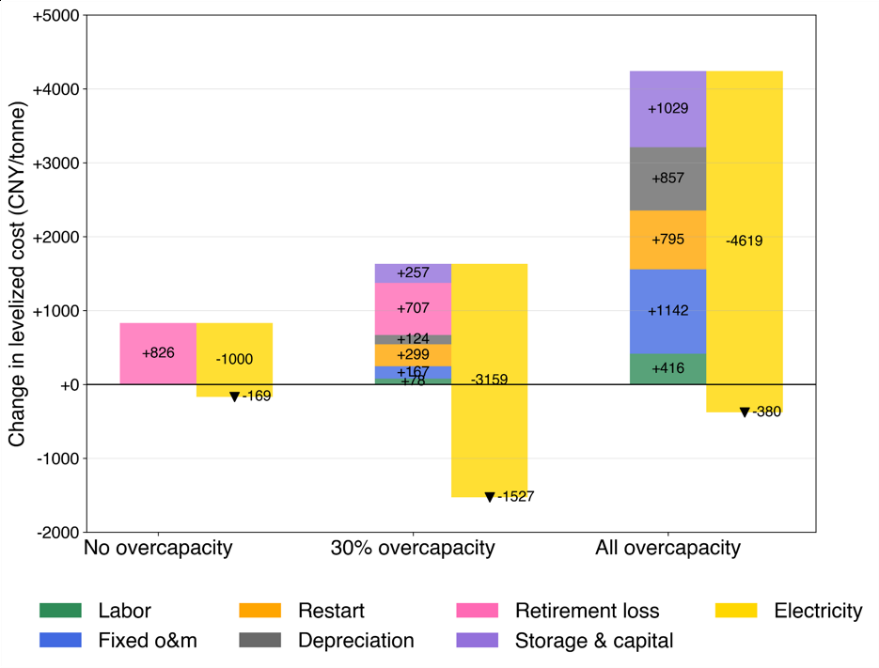
Demand flexibility can reduce generation, storage, and grid investment, but it is not costless. Firms may need spare equipment capacity, inventories, working capital, or operational changes to shift electricity use. Power-system models often quantify the value of flexibility without representing these consumer-side costs.
What I am developing
I developed a life-cycle cost framework that compares industrial and data-center load shifting with energy storage across timescales. The framework accounts for both the infrastructure costs avoided by power systems and the capital and operating costs borne by flexibility providers.
This work supports a broader research agenda on a demand flexibility economy: defining flexibility as a dependable service and designing utility procurement, bilateral contracts, and organized markets that translate its system value into stable incentives for firms.
Current outputs and next steps
- Do We Still Need Demand Flexibility as Batteries Become Cheaper? A Levelized Cost Perspective, manuscript under review
- “Demand flexibility must account for consumer-side capital costs,” commentary under review
The next stage links system-level avoided costs with firm-level investment models to compare availability payments, performance payments, contract duration, and verification requirements for seasonal and other forms of large-load flexibility.